Luxembourg

🇱🇺

A charming blend of medieval fortresses, scenic valleys, and vibrant European culture.

Visa Requirements

Luxembourg is a member of the Schengen Area, which means it follows the common Schengen visa policy. Citizens of EU/EEA countries and Switzerland can enter Finland without a visa for any length of stay. For non-EU/EEA nationals, visa requirements depend on the traveler’s nationality.

Types of Visas​

  • Schengen Visa (Type C): Allows stays up to 90 days within a 180-day period for tourism, business, or family visits. This visa is valid for all 29 Schengen countries, including Luxembourg.

  • National Visa (Type D): Required for longer stays (over 90 days), such as for work, study, or family reunification. Usually issued alongside or followed by a residence permit.

  • Visa-free entry: Citizens of many countries (See details below) can enter Finland visa-free for up to 90 days. 

  • Residence Permits: Required for stays over 90 days, or for purposes like employment or academic studies. Typically, you must apply before arrival via Luxembourg’s Immigration Directorate.

Visa Exempt Countries

Citizens of the following nations are exempt from the requirement to be in possession of a visa when crossing the external borders of the member states for stays of no more than 90 days in any 180-day period:

  • Albania, Andorra, Antigua and Barbuda, Argentina, Australia, Bosnia and Herzegovina, Barbados, Brunei, Brazil, Bahamas, Canada, Chile, Colombia, Costa Rica, Dominica, El Salvador, Grenada, Georgia, Guatemala, Honduras, Holy See, Israel, Japan, Kiribati, Malaysia, Marshall Islands, Mauritius, Mexico, Micronesia, Moldova, Monaco, Montenegro, Nauru, New Zealand, Nicaragua, North Macedonia, Palau, Panama, Paraguay, Peru, Saint Kitts and Nevis, Saint Vincent and the Grenadines, Samoa, San Marino, Serbia, Seychelles, Singapore, Solomon Islands, South Korea, Saint Lucia, Timor-Leste, Tonga, Trinidad and Tobago, Tuvalu, Ukraine, United Arab Emirates, United States, Uruguay, Vanuatu, Venezuela
  • Hong Kong SAR and Macao SAR

  • British Overseas Territories
  • Taiwan
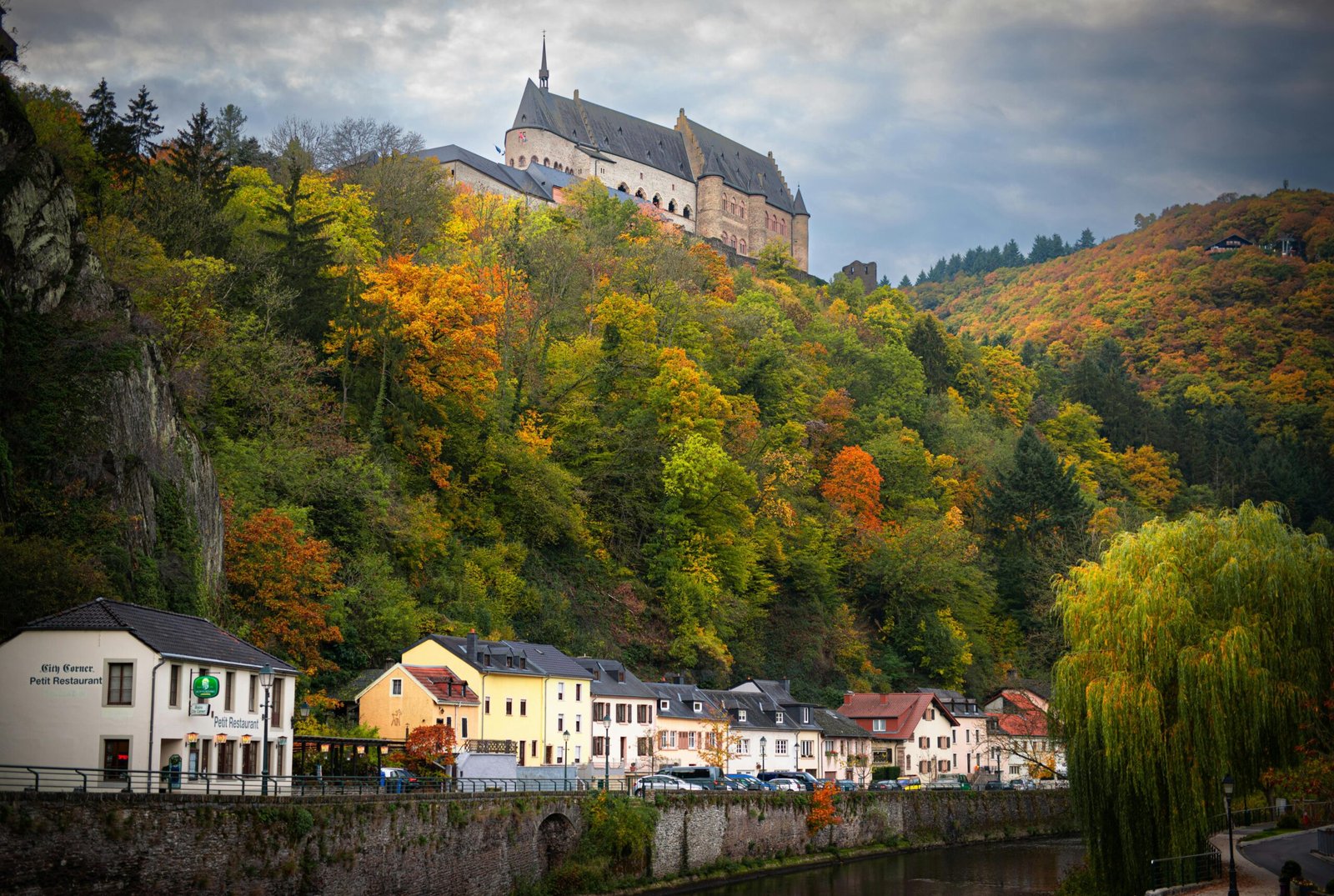
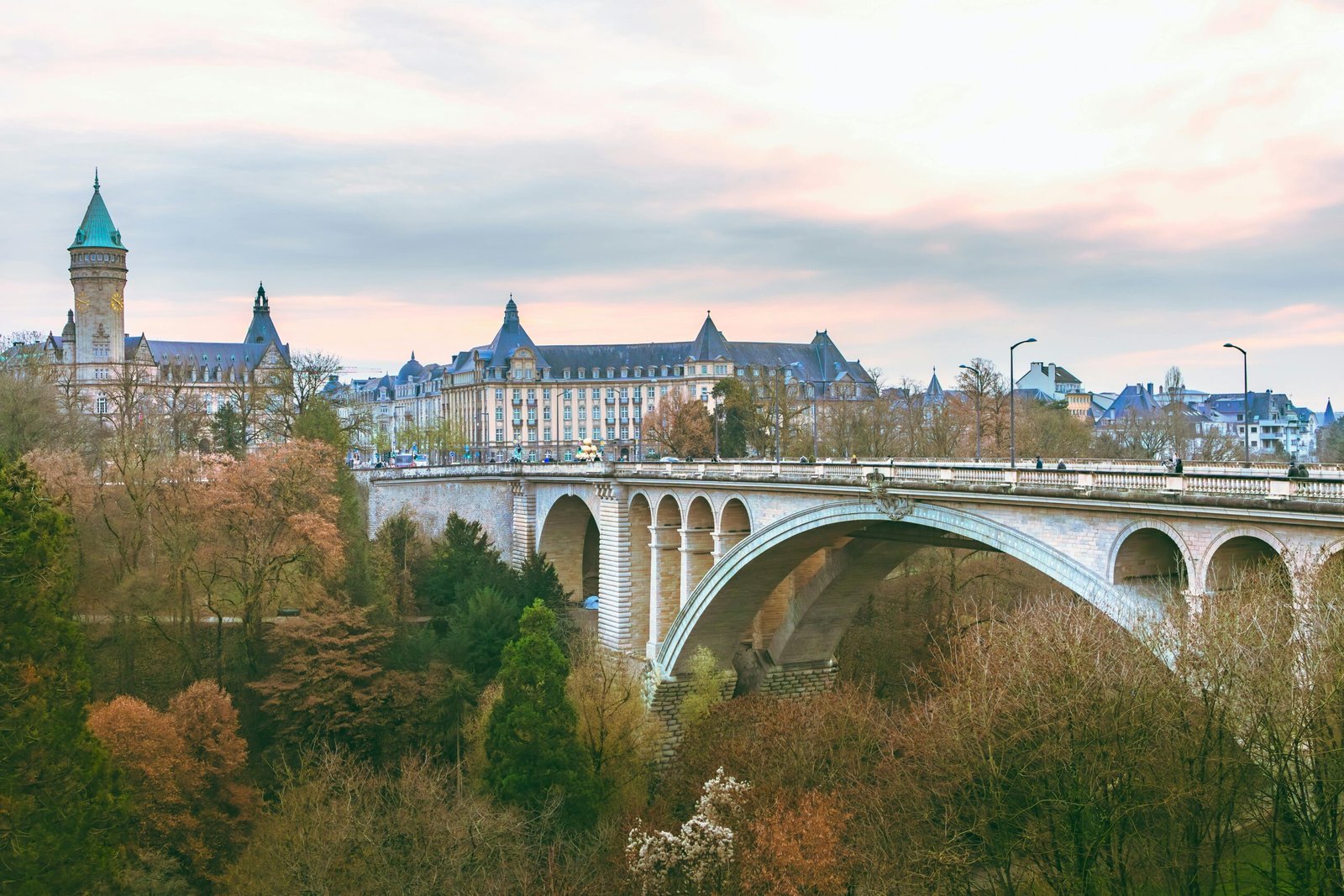
Historic charm and stunning views define Luxembourg’s Old City. (Photo by Jimmy Woo)

Visa facility

If you need a visa to visit Luxembourg, please apply through:

  • The nearest Luxembourg Embassy or Consulate, or

  • A Visa Application Centre like VFS Global, designated to handle Luxembourg visa applications in your country.

Entry and Validity

Recent Changes

How to get there?

Air Travel 

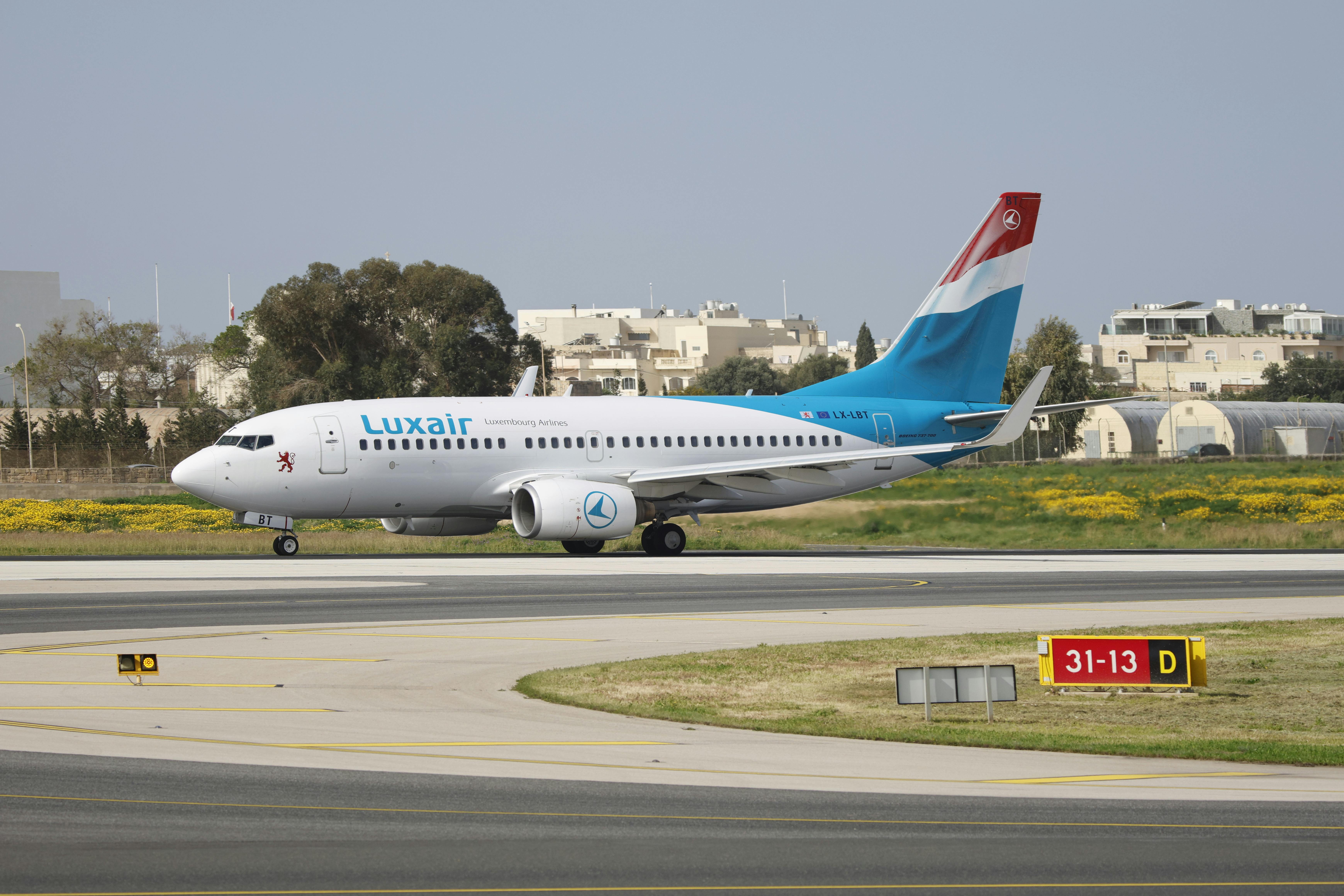
Luxembourg is well-connected to Europe and beyond through Luxembourg Findel Airport (LUX), offering regular international flights to major European cities such as Paris, Frankfurt, Amsterdam, and London. Airlines like Luxair (the national carrier), Lufthansa, Air France, KLM, and Turkish Airlines operate frequent services to and from Luxembourg.

Luxembourg’s flagship airline, Luxair, taxiing in Malta Airport.
(Photo by at Andrew Cutajar)
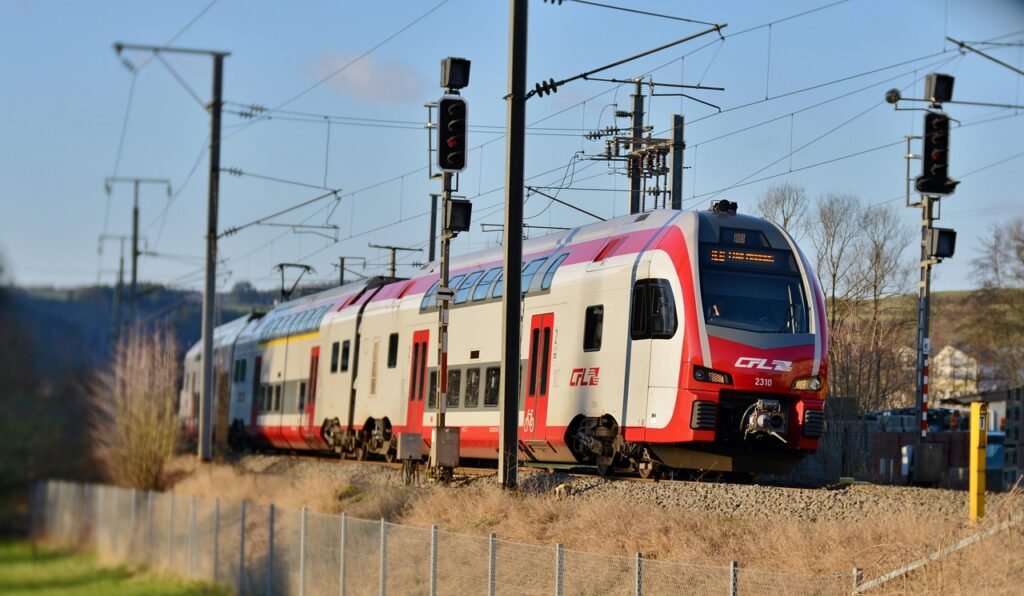
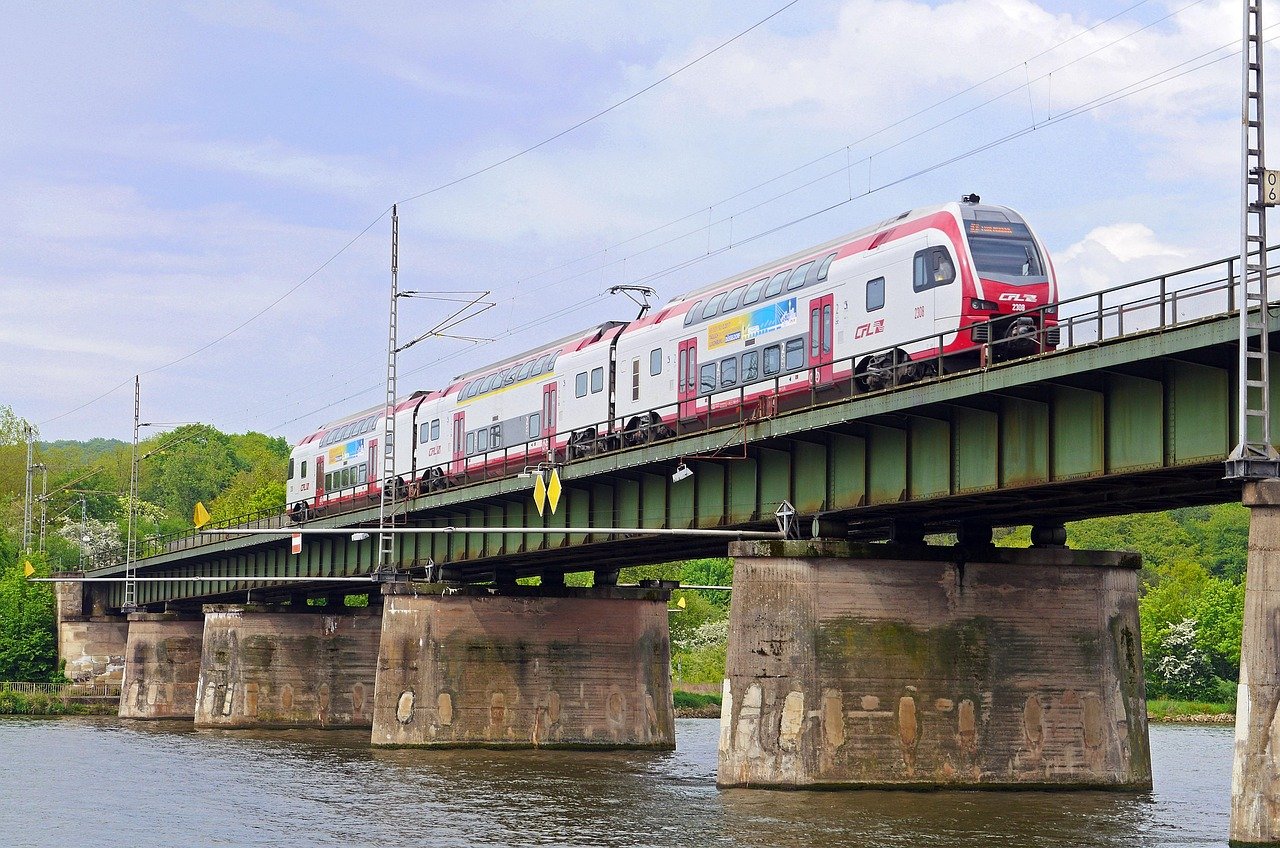
train, locomotive, transport, railway, travel, rails, track, luxembourg
CFL train — connecting Luxembourg and neighboring countries.
(Photo by YvonneHuijbens)

Rail & Road Connections

Luxembourg is a key hub in Western Europe, with excellent rail and road connections linking it to neighboring countries. High-speed trains operated by CFL (Luxembourg National Railway Company) and international services connect Luxembourg City to major destinations such as Paris, Brussels, Frankfurt, and Trier, making it easy to travel across Europe by train.

Luxembourg’s well-maintained highway network (autoroutes) provides convenient road access to Belgium, France, and Germany, facilitating smooth travel by car or bus. These rail and road connections offer efficient and scenic alternatives to flying, ideal for travelers exploring the heart of Europe.

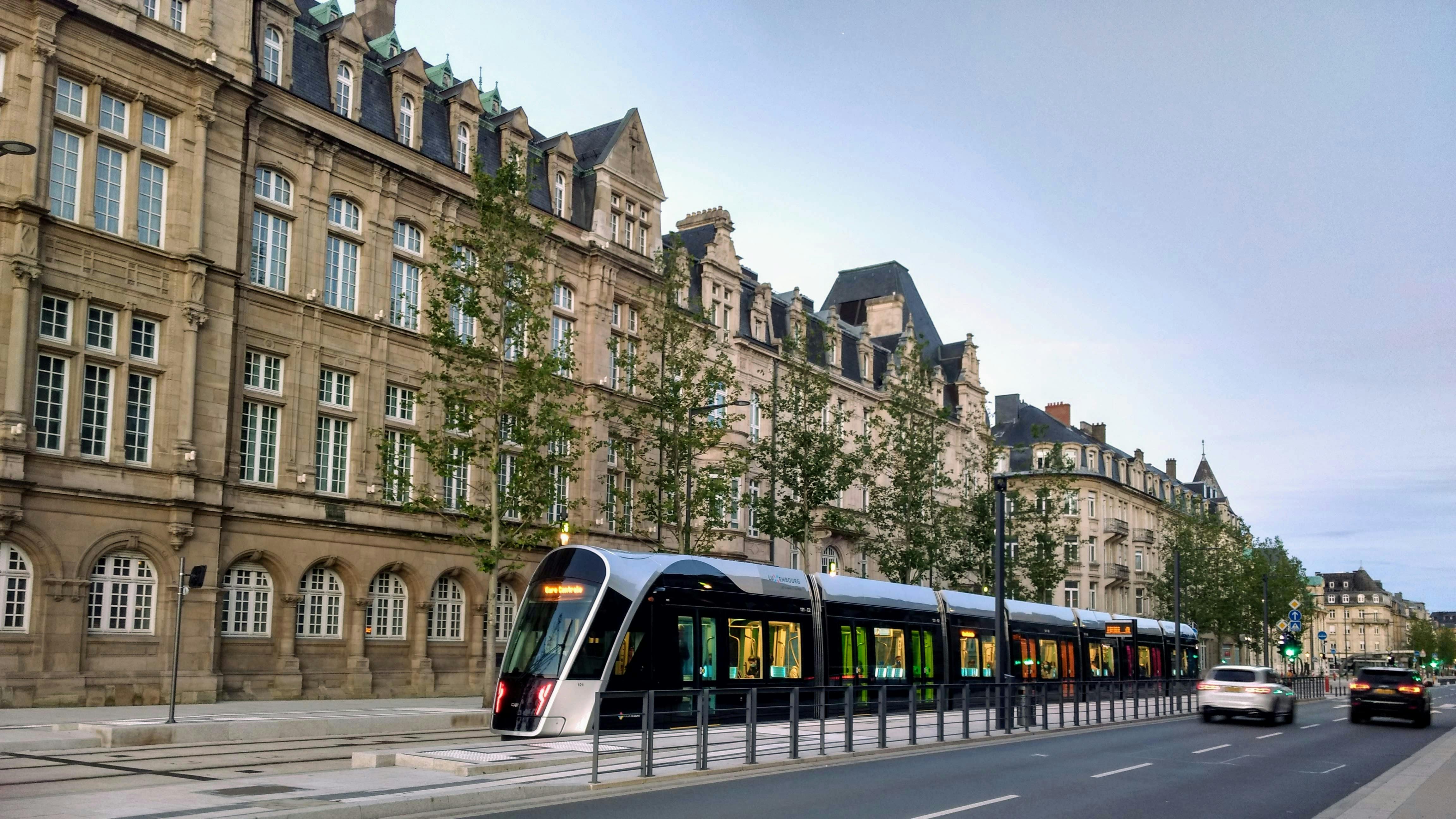
Luxtram - a symbol of modern mobility. (Photo by Vivek Muralidharan)

Public Transport

Getting around Luxembourg is smooth, safe, and convenient with excellent public transportation options, all free of charge for residents and visitors alike since March 2020:

  • 🚲 Bikes and e-scooters – These mobility options are currently not available in Luxembourg.
Clean, green, and modern Luxembourg bus. (Photo by Kéoma Oran)

Payments

  • đź’¶ Cash – Still accepted throughout Luxembourg, especially in smaller towns and rural areas, but less common in Luxembourg City where digital payments are more prevalent.

  • đź’ł Debit/Credit Cards – The primary payment method; Visa and Mastercard are accepted almost everywhere, including shops, hotels, restaurants, and public transport. American Express is accepted at select locations, while Diners Club is less common.

  • 📱 Mobile Payments – Gaining popularity in Luxembourg. Many locals use Apple Pay, Google Pay, and other contactless payment apps for fast, convenient transactions.

  • 🏦 Bank Transfers – Frequently used for larger payments, such as hotel bookings or online purchases, especially with Luxembourgish and European vendors. 

  • đź’ˇ Tip: Carrying a contactless card or mobile wallet is highly recommended, as many places in Luxembourg are now cashless by default.

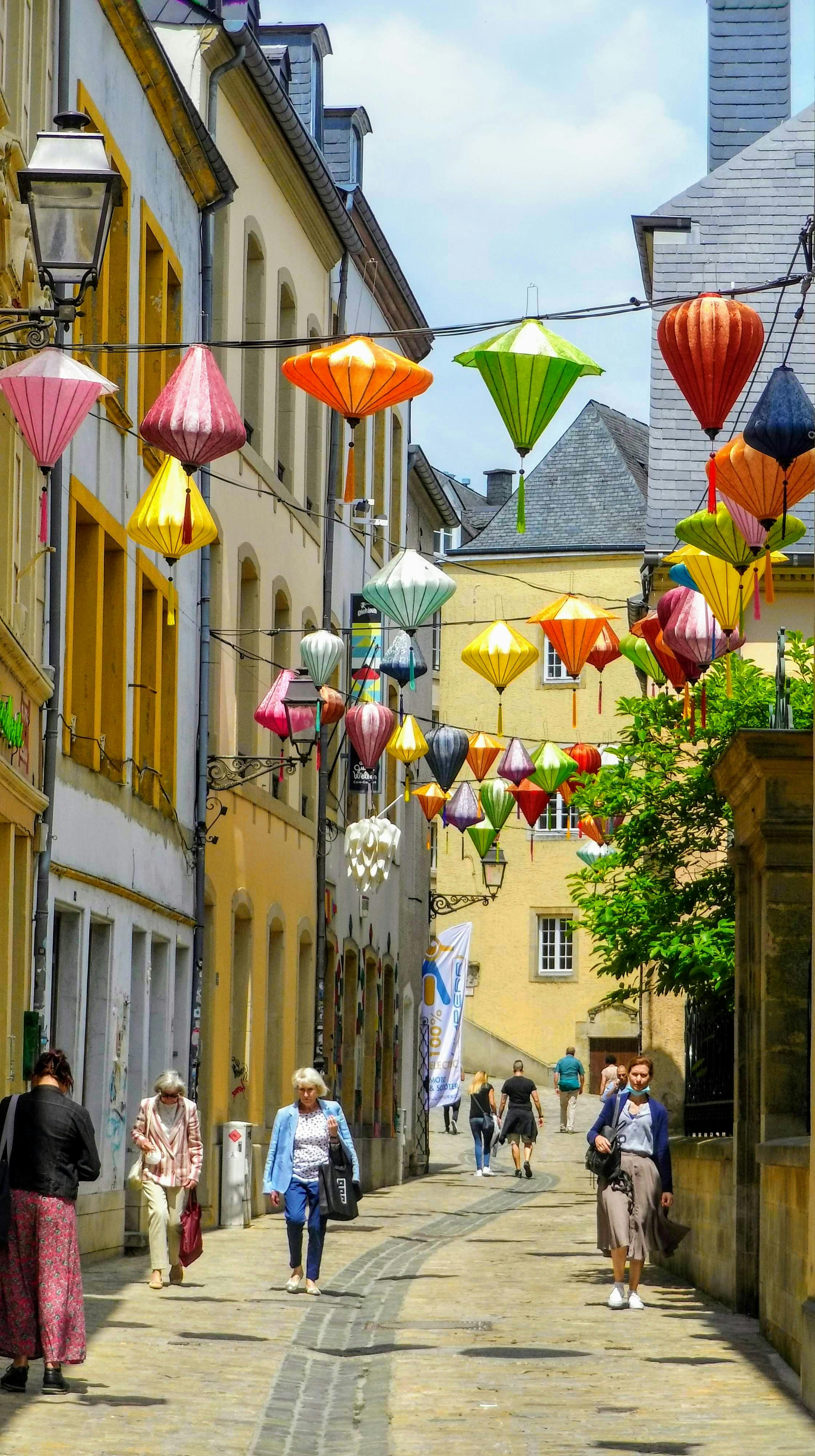
Charming decorated alleyways weaving through Luxembourg’s historic old town. (Photo by Vivek Muralidharan)
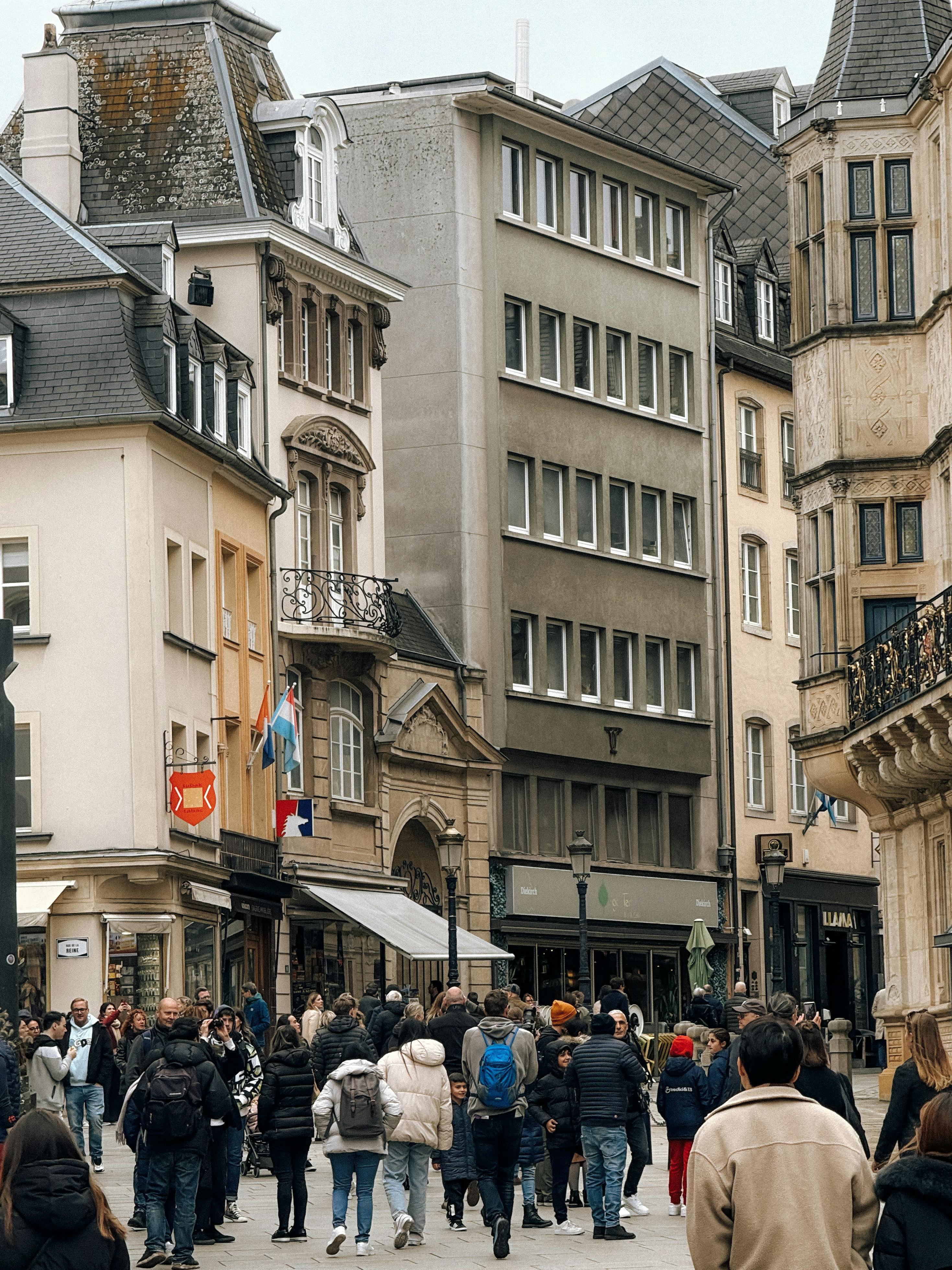
Bustling streets and charming shops define shopping in Luxembourg’s old town. (Photo by Marina Zvada)

Currency

Luxembourg’s official currency is the Euro (EUR), symbolized as €. One Euro is subdivided into 100 cents. Banknotes are available in denominations of €5, €10, €20, €50, €100, €200, and €500, while coins come in 1, 2, 5, 10, 20, and 50 cents, as well as €1 and €2.

Note: Although €200 and €500 notes are legal tenders, they are rarely used in everyday transactions and may not be accepted by some shops or ATMs.

Currency Converter
€0.00

Budget

Luxembourg is a high-quality and relatively expensive travel destination offering options for various budgets. On average:

  • đź§ł Budget travelers can expect to spend around $80–$100 USD/day, covering hostel stays or budget hotels, and simple meals.
  • 🏨 Mid-range travelers typically spend $150–$250 USD/day, including comfortable hotels, dining at mid-range restaurants, and some activities or tours.
  • đź’Ž Luxury travelers may spend $300 USD/day or more, enjoying upscale hotels, fine dining, and private tours or exclusive experiences.

Luxembourg is known for being relatively expensive, so many travelers choose to visit as a day trip from nearby cities like Brussels, Trier, Metz, Strasbourg, Paris, and Frankfurt, offering easy access to its charm without the higher accommodation costs.

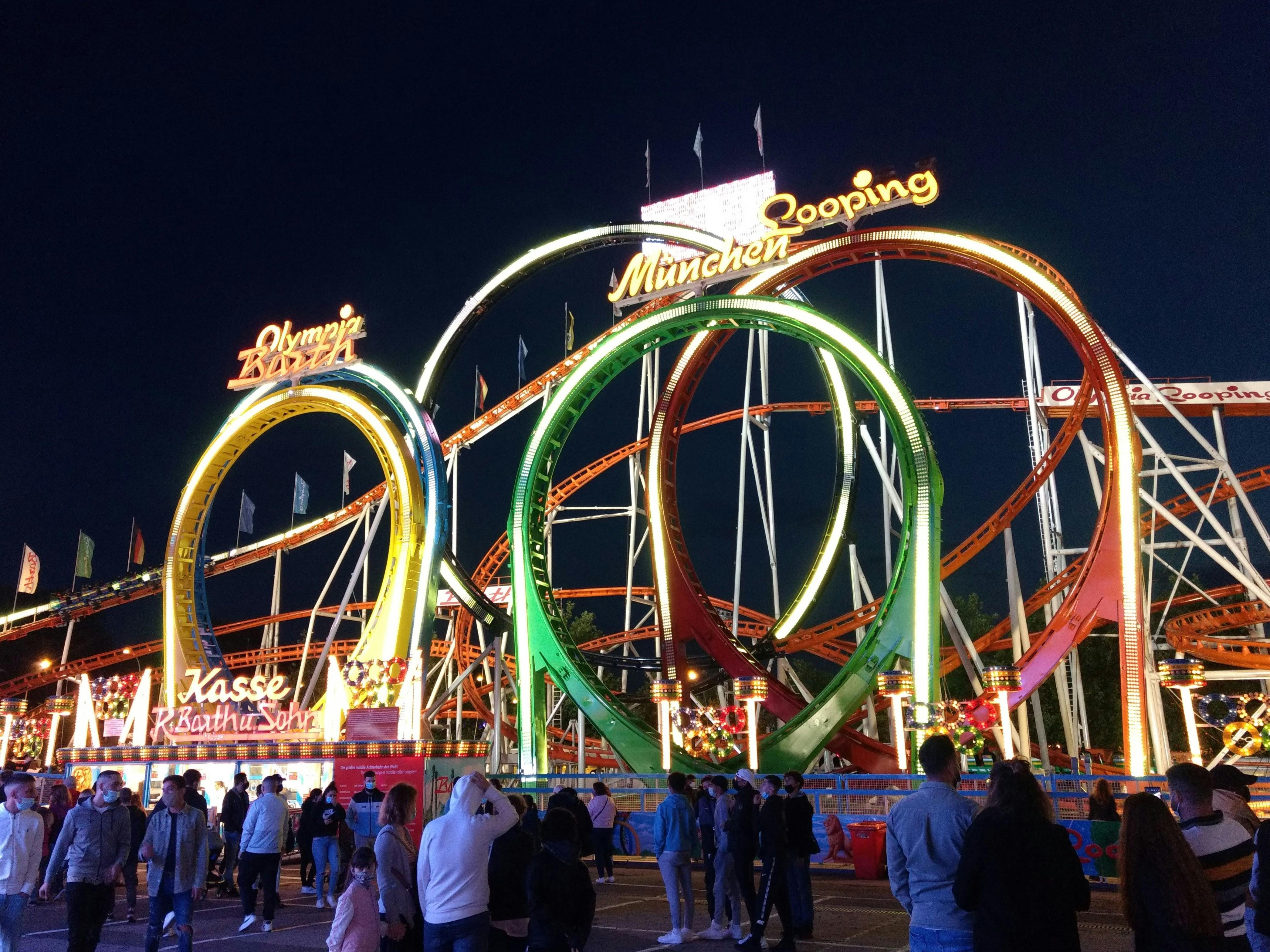
The Schueberfouer, Luxembourg’s largest funfair, lights up the city each late August to early September. (Photo by Vivek Muralidharan)

Appliances

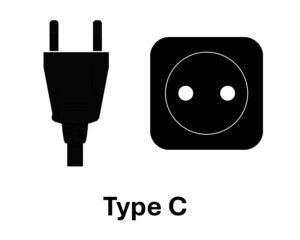
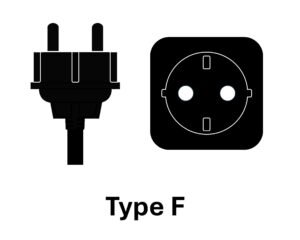
Luxembourg primarily uses Type C and Type F electrical sockets.

Appliances operate on a standard voltage of 230V with a frequency of 50Hz, compatible with most European devices.

Ref: International Electrotechnical Commission

When to visit?

Terraced charm in the heart of Luxembourg City. (Photo by Cedric Letsch)

Weather

Luxembourg has a temperate oceanic climate with four distinct seasons:

  • Winter (December to February): Winters are generally mild but can be cold, with average temperatures around 0°C (32°F). Snowfall occurs occasionally, especially in higher elevations.
  • Spring (March to May): Spring is a refreshing season with gradually rising temperatures and blooming nature. By May, days become noticeably warmer and longer.
  • Summer (June to August): Summers are mild to warm, with temperatures typically ranging from 18°C to 25°C (64°F to 77°F). The weather is generally pleasant, ideal for outdoor activities.
  • Autumn (September to November): Autumn features cooling temperatures and beautiful fall colors, especially in late September and October. The season is often crisp and clear, leading into the colder months.

Travelers should be prepared for variable weather depending on the season, from cool winters to mild summers.

Best Time to Visit

Luxembourg is a great destination to visit year-round, with each season offering its own special experiences—from lively spring festivals to warm summer days and stunning autumn colors.

    • Winter (December to February): Winters are generally mild and quieter, perfect for enjoying cozy cafĂ©s, festive Christmas markets, and peaceful walks through the city’s historic streets.

    • Spring (March to May): Spring brings blooming parks and gardens, outdoor festivals, and a refreshing sense of renewal as the city wakes up from winter.

    • Summer (June to August): Summers are pleasant and ideal for exploring Luxembourg’s scenic trails, outdoor dining, and cultural events, with long daylight hours encouraging plenty of activities.

    • Autumn (September to November): Autumn offers crisp air and beautiful fall foliage, great for scenic drives, hiking, and enjoying seasonal food festivals.

For travelers seeking fewer crowds, the shoulder seasons of spring (April–May) and autumn (September–October) provide mild weather and a more relaxed atmosphere. Summer is lively and vibrant, while winter is quieter, offering a charming, festive ambiance.

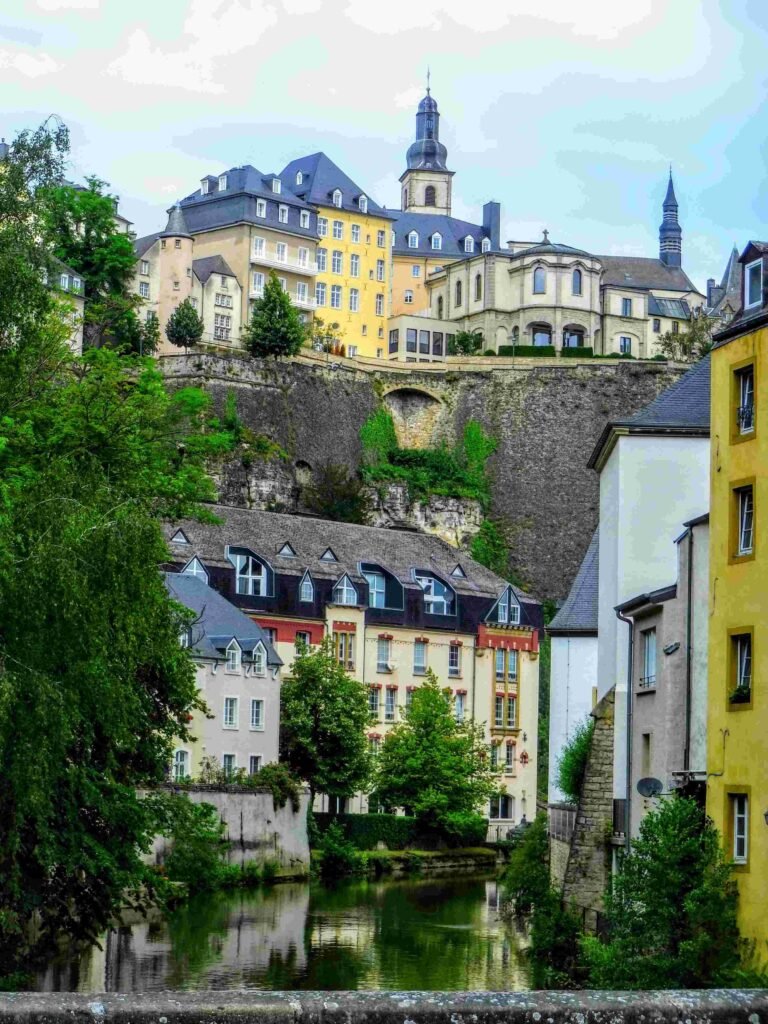
Charm in the dramatic layers of old fortifications, cliffs, and modern life.
(Photo by Léna Le Roy)
Bucket List Destinations Across Luxembourg

City View (Photo by Vivek Muralidharan)

Luxembourg

Luxembourg City blends old-world charm with modern elegance, perched dramatically over deep gorges and lush valleys. Stroll through the UNESCO-listed Old Town, explore the Bock Casemates carved into ancient cliffs, or wander past quaint squares and lively cafés. With its layered architecture, cosmopolitan culture, and scenic views around every corner, Luxembourg City offers a unique mix of history, beauty, and European sophistication.

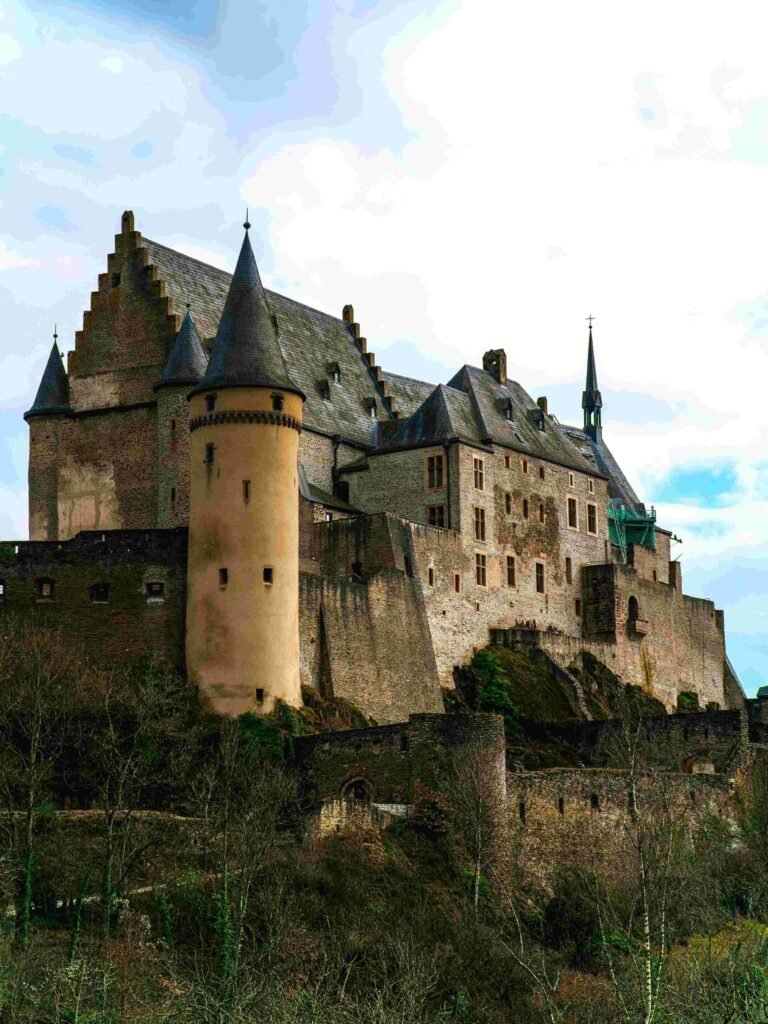
Vianden Castle (Photo by KNKO Photography)

Vianden

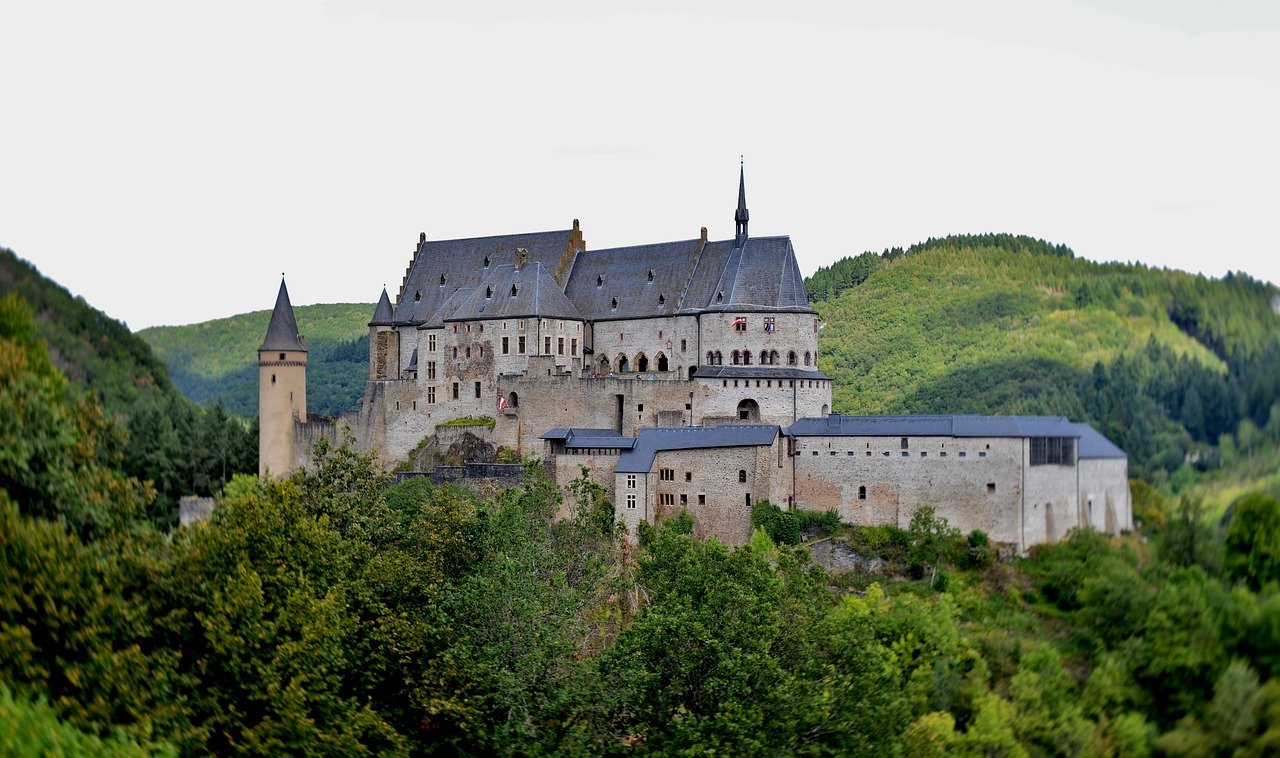
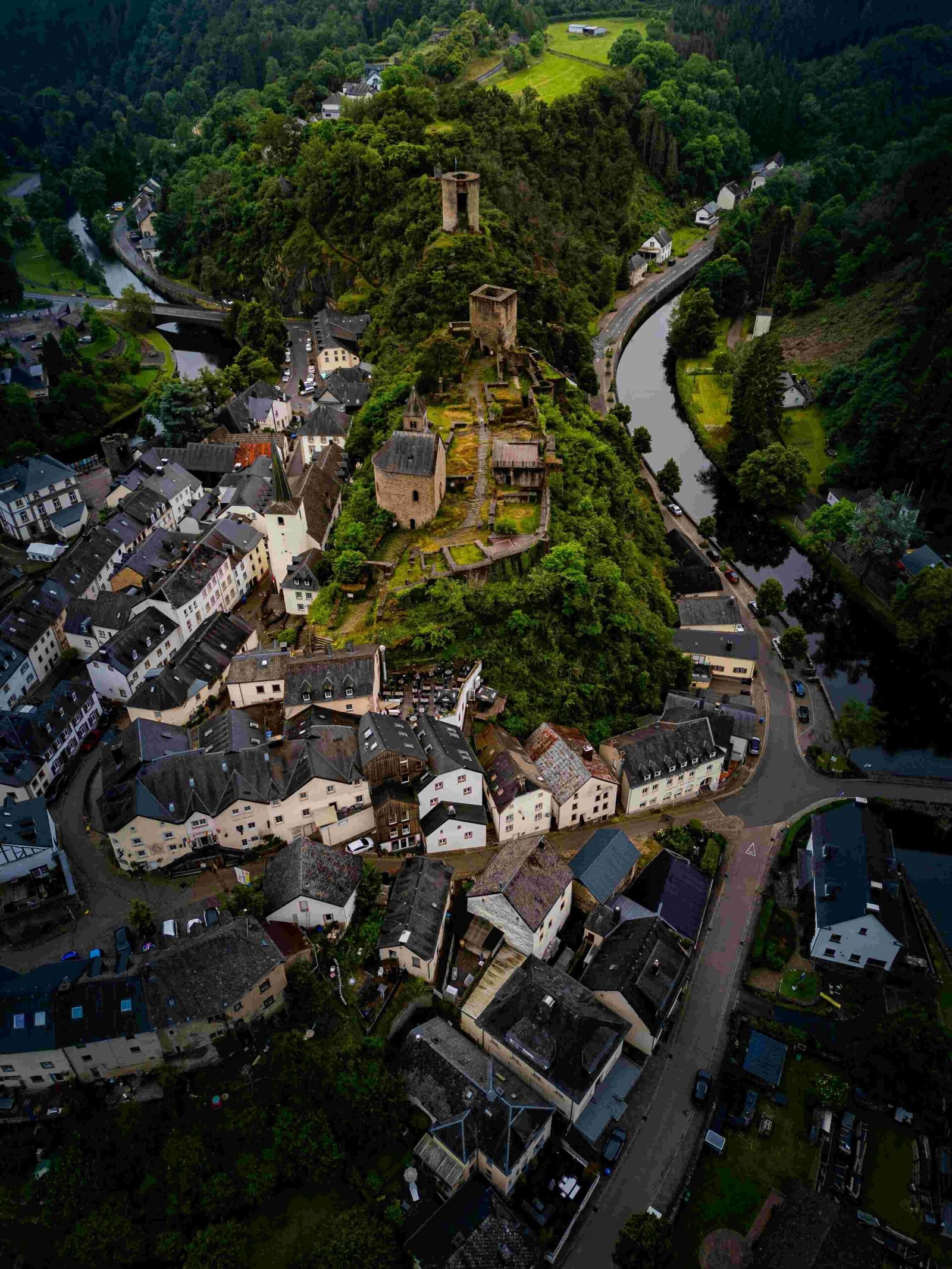
Nestled in the Ardennes, Vianden is a fairytale town crowned by one of Europe’s most stunning medieval castles. Explore the beautifully restored Vianden Castle, stroll through cobbled streets lined with quaint cafés, and ride the chairlift for panoramic views of the valley below. With its rich history, scenic hiking trails, and riverside charm, Vianden offers a perfect blend of heritage and natural beauty in every season.

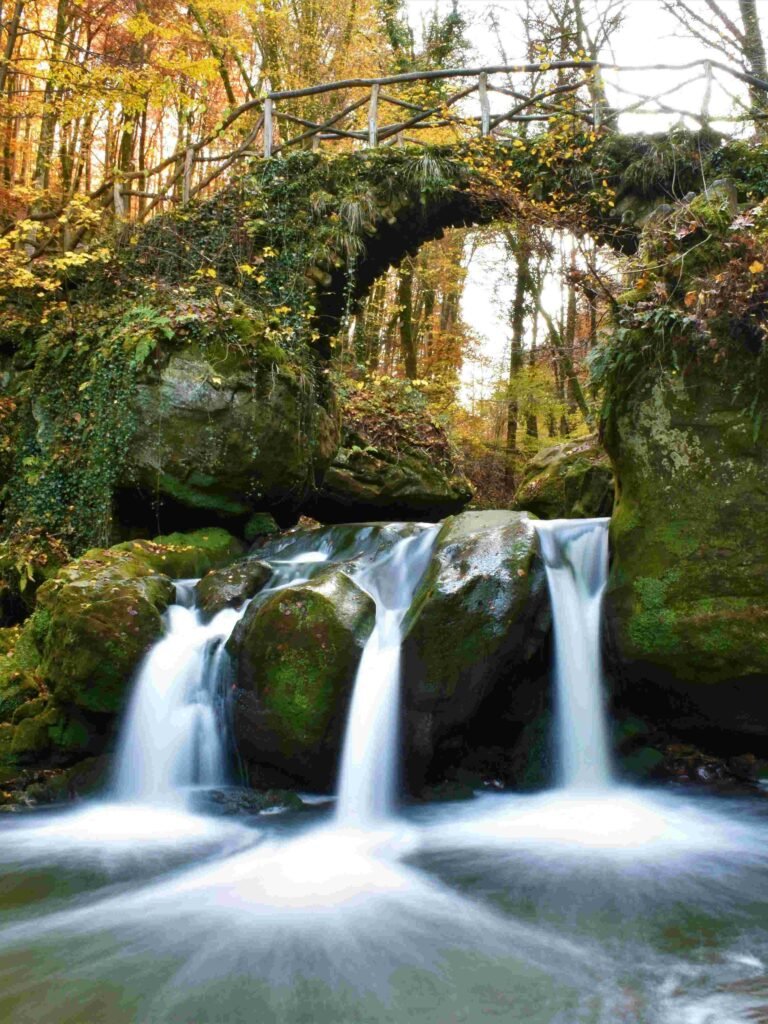
Mullerthal Waterfalls
(Photo by Vivek Muralidharan)
Mullerthal

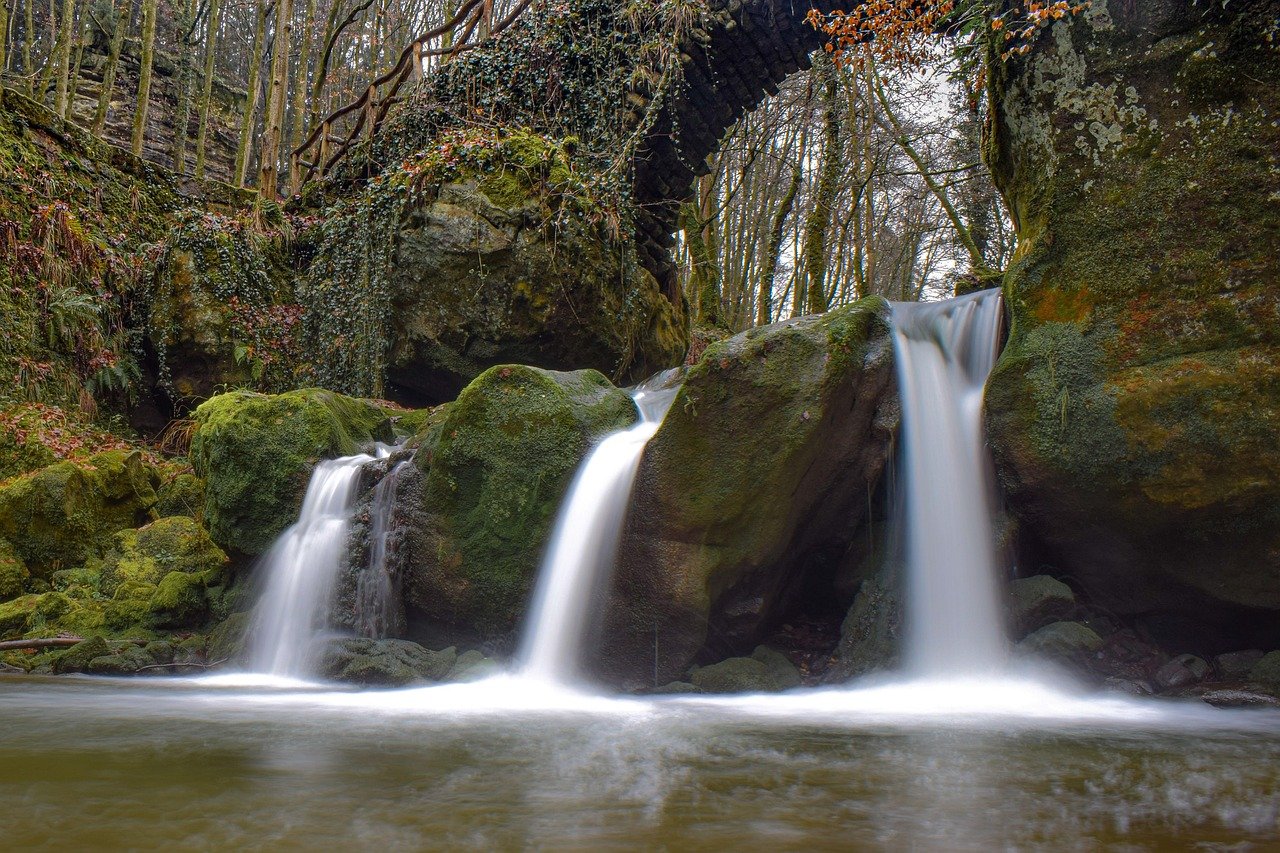
Often called “Luxembourg’s Little Switzerland,” the Mullerthal region enchants visitors with its rocky landscapes, lush forests, and winding hiking trails. Known for dramatic sandstone formations, moss-covered gorges, and peaceful waterfalls, it’s a paradise for nature lovers and outdoor enthusiasts. With charming villages, local cuisine, and scenic paths like the famous Mullerthal Trail, this region blends natural beauty with quiet rural charm.

Vineyards (Photo by Dzimitry Charnou)

Remich

Set along the banks of the Moselle River, Remich is a picturesque town known for its vineyards, riverfront promenades, and relaxed charm. Surrounded by rolling hills and wine estates, it’s a gateway to Luxembourg’s wine country. Enjoy scenic boat cruises, stroll or cycle along the waterfront, and sample local Rieslings at nearby cellars. With its peaceful atmosphere and stunning landscapes, Remich is an ideal destination for a leisurely escape.

Clervaux Town and Castle
(Photo by Dzmitry Charnou)

Clervaux

Tucked into the forested hills of northern Luxembourg, Clervaux is a peaceful town rich in culture and history. At its heart stands Clervaux Castle, home to the famous The Family of Man photo exhibition curated by Edward Steichen. Explore the Benedictine Abbey, stroll through quiet streets, and admire panoramic views of the Ardennes. With its mix of spiritual heritage, art, and natural beauty, Clervaux offers a tranquil and inspiring retreat.

Emergency

The universal emergency number in Luxembourg is 112, which connects you to police, fire, and medical services.

This number is toll-free and can be dialed from any phone, including mobiles and landlines, across the country.

For non-emergency police assistance, you can also contact the local police station directly via their specific numbers.

Scroll to Top